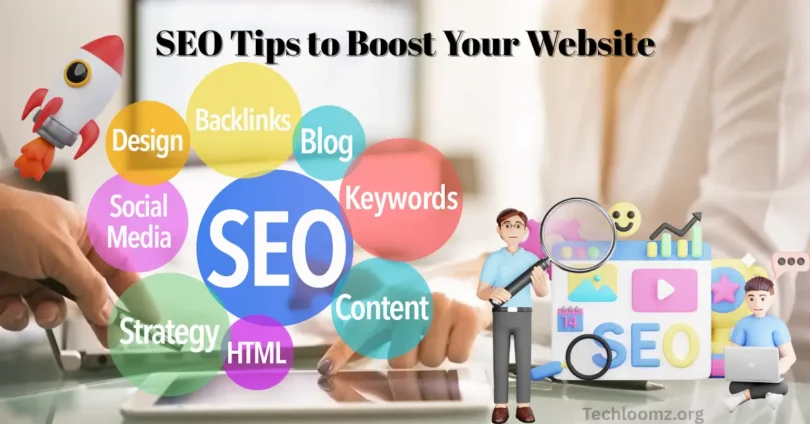
SEO Tips to Boost Your Website, Search Engine Optimization (SEO) is the key to making your website more visible online. By using the right SEO strategies, you can attract more visitors, improve your website’s ranking on Google, and grow your audience. Whether your website is new or already running, following simple and effective SEO tips can help you get better results step by step.
Understanding Your Target Audience
Knowing your target audience is one of the most important steps for SEO success. Your website will perform better if you understand who is visiting it. Start by identifying the age, location, interests, and needs of your visitors. This helps you create content that matches what they are looking for.
You can use tools like Google Analytics, social media insights, and surveys to learn more about your audience. Understanding your audience not only improves SEO but also makes your website more user-friendly and engaging.
Conducting Keyword Research
Finding the right keywords is the first step to making your website rank higher on Google.
- Use keyword research tools like Google Keyword Planner, Ahrefs, SEMrush, or Ubersuggest.
- Focus on high-volume, low-competition keywords for better results.
- Include long-tail keywords that match user search intent.
- Analyze competitors’ keywords to find opportunities.
- Group keywords by topic to organize your content strategy.
- Check trending keywords in your niche for timely content ideas.
- Use keywords naturally in titles, headings, and content.
Choosing the right keywords carefully can make your website more visible and attract the right audience.
On-Page SEO Optimization
On-page SEO helps search engines understand your website and improves your chances of ranking higher.
- Optimize meta titles with main keywords and keep them under 60 characters.
- Write clear and engaging meta descriptions including relevant keywords.
- Use headings (H1, H2, H3) to organize content and include keywords naturally.
- Create SEO-friendly URLs that are short and descriptive.
- Add internal links to other pages on your website for better navigation.
- Use external links to credible sources to increase trustworthiness.
- Optimize images with alt text describing the content.
- Ensure content readability by using short paragraphs and simple language.
Proper on-page SEO makes your website easier to read for both users and search engines, boosting your ranking.
Creating High-Quality Content
High-quality content keeps visitors engaged and helps your website rank higher in search results.
- Write original content that provides value to your audience.
- Use keywords naturally in titles, headings, and body text.
- Include images, videos, and infographics to make content more engaging.
- Make content easy to read with short paragraphs and simple language.
- Update content regularly to keep it fresh and relevant.
- Solve user problems or answer common questions in your niche.
- Add call-to-action (CTA) to guide readers toward next steps.
Creating valuable and engaging content attracts visitors and improves your website’s authority.
Mobile Optimization and User Experience
A website that works well on mobile and is easy to use keeps visitors happy and improves SEO.
- Ensure your website is mobile-friendly using responsive design.
- Improve page loading speed for both desktop and mobile users.
- Make navigation simple with clear menus and links.
- Use readable fonts and proper text size for mobile screens.
- Avoid pop-ups that interrupt user experience on mobile.
- Place important content above the fold for easy access.
- Test your website on multiple devices to identify usability issues.
A fast, mobile-friendly website with good user experience encourages visitors to stay longer and boosts search rankings.
Technical SEO Basics
Technical SEO ensures that search engines can easily crawl and understand your website.
- Create and submit an XML sitemap to Google Search Console.
- Use robots.txt to guide search engines on which pages to crawl.
- Fix broken links and 404 errors to improve site health.
- Use HTTPS to make your website secure.
- Optimize website structure for easy navigation and indexing.
- Implement schema markup to enhance search results with rich snippets.
- Improve website speed by compressing images and minimizing code.
Proper technical SEO helps search engines crawl and index your site efficiently, boosting overall performance.
Link Building Strategies
Link building is one of the most important parts of SEO. High-quality backlinks show search engines that your website is trustworthy and valuable, helping it rank higher in search results.
- Focus on Quality, Not Quantity: Avoid spammy links. Instead, get backlinks from reputable websites in your niche.
- Guest Blogging: Write articles for other websites and include a link back to your site. This increases exposure and credibility.
- Outreach to Influencers: Connect with bloggers or industry experts who can share your content or link to your website.
- Content That Naturally Attracts Links: Create informative, engaging, and original content like guides, infographics, and case studies.
- Internal Linking: Link to your own relevant pages within your website to improve navigation and SEO value.
- Social Media Promotion: Share your content on social platforms to increase visibility and chances of getting backlinks.
- Directory Submissions & Local Citations: Submit your website to trustworthy directories and local listings.
A strong link-building strategy boosts your website’s authority, drives more traffic, and improves search engine rankings.
Local SEO Tips
Local SEO helps your business appear in search results for people near your location, attracting more local customers.
- Optimize Google Business Profile: Ensure your business name, address, phone number, and working hours are accurate.
- Use Local Keywords: Include city or region names in your titles, meta descriptions, and content.
- Encourage Reviews: Ask satisfied customers to leave reviews on Google and other local platforms.
- Build Local Citations: List your business in trustworthy local directories and websites.
- Create Location-Based Content: Write blog posts or pages targeting local events, news, or guides.
- Add a Google Map to Your Site: Make it easy for visitors to find your location.
- Monitor Local SEO Performance: Track rankings, traffic, and reviews to improve your strategy.
Optimizing for local SEO attracts nearby customers, improves visibility, and strengthens your business’s online presence.
Using Analytics to Measure SEO Success
Measuring SEO performance helps you understand what works and what needs improvement on your website.
- Set Up Google Analytics: Track website traffic, user behavior, and key metrics like bounce rate and session duration.
- Use Google Search Console: Monitor search performance, keyword rankings, and indexing issues.
- Track Organic Traffic: Measure how many visitors come from search engines and which pages attract them.
- Monitor Conversions: Check if visitors complete desired actions like signing up or purchasing.
- Analyze User Behavior: Understand which pages are most visited, time spent on each page, and exit points.
- Adjust SEO Strategies: Use the collected data to improve content, keywords, and overall website structure.
- Regular Reporting: Create weekly or monthly reports to track growth and identify trends.
Using analytics allows you to make data-driven decisions, improve your SEO strategies, and achieve better website performance.
Advanced SEO Tips for Boosting Rankings
Advanced SEO techniques help your website stand out and achieve higher rankings faster.
- Optimize for Voice Search: Use conversational keywords and FAQs to target voice searches on devices like Alexa or Siri.
- Target Featured Snippets: Structure content with clear answers, lists, and tables to appear in Google’s featured snippet box.
- Improve Core Web Vitals: Focus on page speed, interactivity, and visual stability to enhance user experience and rankings.
- Use Structured Data: Implement schema markup to help search engines understand your content and display rich results.
- Leverage Content Clusters: Group related topics and link them internally to improve authority and topical relevance.
- Monitor Competitor Strategies: Keep an eye on competitors’ content, keywords, and backlinks to find opportunities.
- Optimize for Long-Tail Keywords: Focus on specific search queries that bring highly targeted traffic.
- Regularly Update Old Content: Refresh outdated posts with new information, images, and links to maintain rankings.
Advanced SEO strategies give your website a competitive edge, helping you rank higher and attract more targeted visitors.
Common SEO Mistakes to Avoid
Avoiding common SEO mistakes saves time, prevents penalties, and ensures better website performance.
- Keyword Stuffing: Overusing keywords can harm rankings and make content hard to read.
- Ignoring Mobile Users: Not optimizing for mobile can lead to high bounce rates and lower rankings.
- Duplicate Content: Copying content from other websites can cause search engines to penalize your site.
- Slow Website Speed: A slow-loading website frustrates visitors and negatively affects SEO.
- Neglecting Meta Tags: Missing or poorly written titles and descriptions reduce click-through rates.
- Broken Links: Links that don’t work harm user experience and SEO credibility.
- Ignoring Analytics: Not tracking performance can prevent you from improving your SEO strategies.
- Overlooking User Experience: Hard-to-navigate websites or cluttered layouts discourage visitors.
Being aware of and fixing these common mistakes ensures your SEO efforts are effective and your website grows steadily.
Common FAQs about SEO Tips to Boost Your Website
Here are the most common questions about SEO Tips to Boost Your Website and their simple answers to help improve your ranking.
1. What is the ideal content length for SEO?
Longer content (1000+ words) tends to rank better, but focus on quality and relevance rather than just length.
2. How often should I update my website content?
Regularly updating content, at least every 3–6 months, keeps your site fresh and relevant for search engines.
3. Do images affect SEO?
Yes, using optimized images with proper file size and descriptive alt text improves SEO and page load speed.
4. What role do social signals play in SEO?
Shares, likes, and engagement on social media indirectly boost SEO by driving traffic and increasing content visibility.
5. Can videos improve website SEO?
Yes, videos increase user engagement, time on site, and provide opportunities to rank in video search results.
6. What is the importance of bounce rate in SEO?
A high bounce rate signals poor user experience to search engines; improving site design and content reduces it.
7. How do HTTPS and website security affect SEO?
Secure websites (HTTPS) are preferred by search engines and build trust with visitors, improving ranking potential.
8. Should I use SEO plugins or tools?
Yes, tools like Yoast SEO, Rank Math, or All in One SEO help optimize content, meta tags, and technical SEO easily.
9. How does page speed impact SEO?
Faster websites rank better and provide a better user experience, reducing bounce rates.
10. Is it important to have an XML sitemap?
Yes, it helps search engines discover and index your pages faster and more efficiently.
Conclusion
Following these SEO tips step by step can help your website rank higher, attract more visitors, and grow your online presence. By focusing on quality content, proper optimization, and user experience, your website can achieve long-term success in search engines. Consistency, patience, and regular improvements are the keys to making SEO work effectively.
Written By: Techloomz