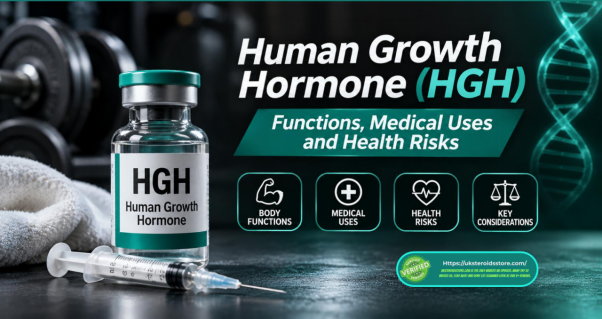
Human Growth Hormone (HGH), also known as somatropin, is a naturally occurring hormone produced by the pituitary gland. It plays an important role in childhood growth, tissue development, metabolism and several essential bodily functions.
HGH is also discussed extensively in fitness and bodybuilding communities because of its relationship with muscle development, body composition and physical recovery. However, its medical applications are different from non-medical use, and the hormone can carry significant health risks when used inappropriately.
Understanding how HGH works, when it is medically prescribed and what potential complications are associated with its use is important when evaluating information about growth hormone.
This article examines HGH from an educational and medical perspective, focusing on its functions, clinical applications, potential side effects and safety considerations.
What Is Human Growth Hormone (HGH)?
Human Growth Hormone is a peptide hormone produced and released by the anterior pituitary gland, a small structure located at the base of the brain.
Its production is regulated by several factors, including growth hormone-releasing hormone, somatostatin, sleep, nutrition and metabolic conditions.
HGH supports normal physical development during childhood and adolescence. In adults, it continues to contribute to metabolism, tissue maintenance and the regulation of body composition.
Synthetic human growth hormone, known as somatropin, is manufactured for specific medical applications. It is available as a prescription medicine and should only be used under appropriate medical supervision.
HGH is not the same as anabolic-androgenic steroids. Although both are discussed in bodybuilding environments, they have different biological functions and mechanisms of action.
How HGH Works in the Human Body
HGH influences several biological processes, partly through its effects on insulin-like growth factor 1 (IGF-1).
IGF-1 is produced primarily in the liver in response to growth hormone stimulation. It plays an important role in cell growth, bone development and tissue maintenance.
Some of the main functions associated with HGH include:
Bone growth: HGH and IGF-1 contribute to bone development during childhood and adolescence.
Tissue development: The hormone supports normal tissue growth and cellular activity.
Protein metabolism: HGH influences protein synthesis and the metabolism of proteins within the body.
Fat metabolism: It contributes to the breakdown of stored fat and influences how the body uses energy.
Glucose regulation: HGH affects glucose metabolism and can influence insulin sensitivity.
Physical development: Normal growth hormone activity is important for maintaining healthy development and body composition.
These functions demonstrate why HGH is essential to normal human physiology. However, increasing hormone levels beyond normal requirements does not automatically produce better health outcomes.
Medical Uses of HGH
Prescription HGH has established medical applications, particularly in individuals with specific growth hormone deficiencies or other approved medical conditions.
Depending on the country and prescribing regulations, medical applications may include:
- Growth hormone deficiency in children.
- Growth hormone deficiency in adults.
- Certain conditions associated with impaired growth.
- Growth-related complications associated with specific medical disorders.
- Selected cases of muscle wasting associated with recognised medical conditions.
Treatment decisions depend on clinical diagnosis, medical history and appropriate laboratory investigations.
HGH is not routinely prescribed simply to improve athletic performance, increase muscle size or reverse normal ageing.
A healthcare professional must determine whether treatment is medically appropriate.
HGH and Its Relationship with Muscle Growth
HGH is frequently discussed in bodybuilding because of its involvement in protein metabolism, tissue development and fat metabolism.
The hormone influences several processes that contribute to normal muscle and tissue maintenance. However, its effects should not be confused with the direct muscle-building effects commonly attributed to anabolic-androgenic steroids.
Research and clinical evidence do not support treating HGH as a general-purpose solution for improving athletic performance in healthy individuals.
Non-medical use can introduce hormonal and metabolic complications, and potential changes in body composition do not establish that a treatment is safe.
It is important to distinguish normal physiological functions from claims made in fitness and bodybuilding communities.
Potential Health Risks and Side Effects
Although HGH has legitimate medical applications, its use can cause adverse effects, particularly when it is taken without a recognised medical indication or appropriate monitoring.
Potential side effects include:
- Fluid retention and swelling.
- Joint pain and muscle discomfort.
- Numbness or tingling in the hands.
- Increased blood glucose levels.
- Reduced insulin sensitivity.
- Headaches.
- Changes in blood pressure.
- Carpal tunnel syndrome.
The likelihood and severity of these effects can vary depending on individual circumstances and medical history.
Excessive growth hormone exposure can also contribute to more serious complications involving the cardiovascular system, metabolic health and other organs.
Effects of Excess HGH
Excessive growth hormone activity can cause a medical condition known as acromegaly in adults.
Acromegaly generally develops when the body produces too much growth hormone over an extended period, often because of a pituitary tumour.
Potential characteristics and complications include:
- Enlargement of the hands and feet.
- Changes in facial structure.
- Enlargement of certain organs.
- Joint pain and arthritis.
- High blood pressure.
- Increased risk of cardiovascular complications.
- Insulin resistance and diabetes.
- Sleep apnoea.
In children and adolescents whose growth plates have not closed, excessive growth hormone can cause abnormal increases in height.
These conditions demonstrate why growth hormone regulation is important and why excessive exposure should not be considered harmless.
HGH, Peptides and Product Differences
HGH belongs to a specific group of peptide hormones and should not be confused with every product marketed within the broader peptide category.
Different compounds can have completely different mechanisms of action, medical applications and potential health effects.
For example, HGH & Peptides is a broader product category. Its products should not automatically be assumed to contain human growth hormone or produce the same biological effects.
One example is Retakilik (Retatrutide 60mg and Cagrilintide 10mg). This product is associated with retatrutide and cagrilintide, which are distinct from HGH.
Retatrutide and cagrilintide are being investigated in the context of metabolic health and body-weight regulation. They are not forms of human growth hormone.
Understanding these distinctions is important because product categories and marketing terminology do not establish that different compounds are interchangeable.
Medical Assessment and Safety Considerations
HGH treatment requires an appropriate medical diagnosis and professional assessment.
A healthcare professional may evaluate several factors before considering treatment, including:
- Medical history and symptoms.
- Growth patterns in children and adolescents.
- Blood IGF-1 levels.
- Growth hormone stimulation testing where appropriate.
- Pituitary gland function.
- Blood glucose and metabolic health.
- Other relevant hormonal measurements.
Monitoring may continue throughout treatment to assess response and identify potential complications.
People experiencing symptoms associated with abnormal growth hormone activity should seek medical advice rather than attempting to assess hormone levels independently.
Prescription HGH should only be used for recognised medical indications under the supervision of a qualified healthcare professional.
Frequently Asked Questions
1. What does HGH stand for?
HGH stands for Human Growth Hormone. It is a hormone produced by the pituitary gland and plays an important role in growth, tissue development and metabolism.
2. Is HGH the same as anabolic steroids?
No. HGH is a peptide hormone, while anabolic-androgenic steroids are synthetic or modified compounds related to testosterone. They have different biological functions and mechanisms of action.
3. Does HGH help with muscle growth?
HGH influences protein metabolism and tissue development. However, evidence does not support its use as a general muscle-building treatment in healthy individuals, and non-medical use can carry significant risks.
4. What are the common side effects of HGH?
Potential side effects include fluid retention, joint discomfort, numbness, headaches and changes in blood glucose regulation. More serious complications can occur with excessive exposure.
5. Can excessive HGH cause health problems?
Yes. Excessive growth hormone activity can contribute to acromegaly, insulin resistance, diabetes, cardiovascular complications and abnormal tissue growth.
6. Is HGH available only through prescription?
Prescription somatropin is regulated as a medical treatment in many countries. Its availability and approved applications depend on local regulations and medical requirements.
Conclusion
Human Growth Hormone is an essential hormone involved in normal growth, tissue development and metabolic regulation.
Although synthetic HGH has legitimate medical applications, its use requires appropriate diagnosis, prescribing and monitoring. Non-medical exposure can introduce significant risks, including fluid retention, impaired glucose regulation, joint problems and cardiovascular complications.
It is also important to distinguish HGH from other compounds marketed within broader peptide categories, as different substances have different biological functions and medical considerations.
Understanding the medical context behind growth hormone is essential when evaluating claims about its effects. Anyone concerned about hormone levels or potential exposure should consult a qualified healthcare professional.